They Can't Take What They Didn't Give: Black History Month Still Ours, No Cap
This Black History Month hitting 100, but the struggle real, gotta remember where we came from and who tried to keep us from knowing.
Aight, so Black History Month is at a hundred years, and you know what? They still tryna steal our shine. Talking bout who owns it, who controls it? Man, they ain't give us nothin' in the first place. Can't take what ain't yours, ya dig?
This dude Jarvis Givens, he wrote a book 'bout it. He ain't havin' it with folks saying, 'They gave us the shortest month.' Nah, bruh, we built this. From the ground up. Ain't nobody giving us nothin'.
And now they tryna ban Black history in schools? What else is new? They always tryna erase us, rewrite the story. That's why we gotta keep tellin' it ourselves. Gotta keep it 100.
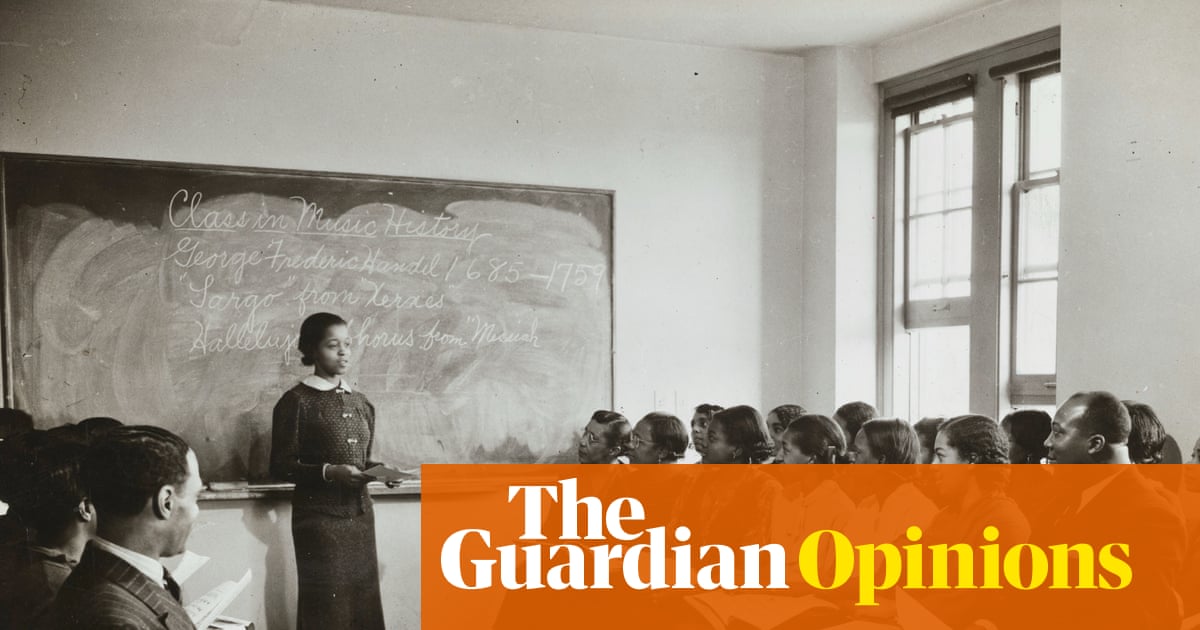
Back in the day, after the Civil War, Black schools and churches was where it was at. Teachin' the realness. Toussaint Louverture, Denmark Vesey, Phillis Wheatley – real heroes. Black teachers showin' love to the fam, teaching the truth they didn't want us to know. Then Carter G. Woodson came along and made it official with Negro History Week.
Woodson picked February 'cause of Frederick Douglass, whose birthday was around that time, thanks to Mary Church Terrell, doing her thing. This man, Woodson, the son of slaves, had to teach himself the damn alphabet, went to Harvard but knew the real education was in the streets and in the community.
So, yeah, Black History Month ain't just about celebrating. It's about rememberin' where we came from, how far we gotta go, and who's still tryna hold us back. It’s also bout keepin’ it real with the kids, don’t sell em no dreams, just teach em how to navigate this wicked system.
Black History Month has survived the commercialization and gentrification of our traditions, even the violence and hate. We still here and still screaming, and that’s all that matters.
Asking who “owns” Black History Month is like asking who “owns” the struggle. Black people are responsible for owning our past, our future, and our right to tell our stories our way.