Who Run the Water? The Real Deal on Strait Control
From the block to the globe, understanding who calls the shots on these waterways and how it affects us.

Aight, so check it. They talkin' 'bout straits, right? Nah, not the ones you goin' through when you broke. These the waterways, the spots where ships gotta squeeze through to get from point A to point B. And the question is, who really run these joints?
On paper, it's all about this UNCLOS thing, the United Nations Convention on the Law of the Sea. Sounds official, right? Like some kinda global landlord association. They got rules 'bout who can do what in the water. But real talk, rules ain't nothin' if you ain't got the muscle to back 'em up.
They got this thing called 'transit passage,' which means ships can basically cruise through these straits if they just passin' by. But who decides what 'just passin' by' means? The big dogs, that's who. The countries with the biggest navies and the most clout.
Then you got the narrow straits, the ones that right up next to somebody's land. Those countries get more say, but even then, they gotta let other ships pass through peacefully. Peaceful? Yeah, right. Ain't nothin' peaceful 'bout global trade. It's a hustle, just like everything else.
'Ownership' ain't really the word. It's more like who got the most influence. Coastal states got some power, but the real players are the ones movin' the goods, controllin' the trade routes. Think of it like this: you might own the corner store, but the dude supplyin' the product is the one really callin' the shots.
And don't even get me started on the environmental stuff. All these big ships dumpin' trash and oil in the ocean, messin' up the water for everybody. They talk 'bout regulations, but who really gonna stop 'em? The same cats who benefit from the pollution in the first place. It's a dirty game, man.
These waterways ain't just about trade, though. They strategic. Control a strait, you control the flow. Control the flow, you control the money. It's all connected, from the block to the boardroom.
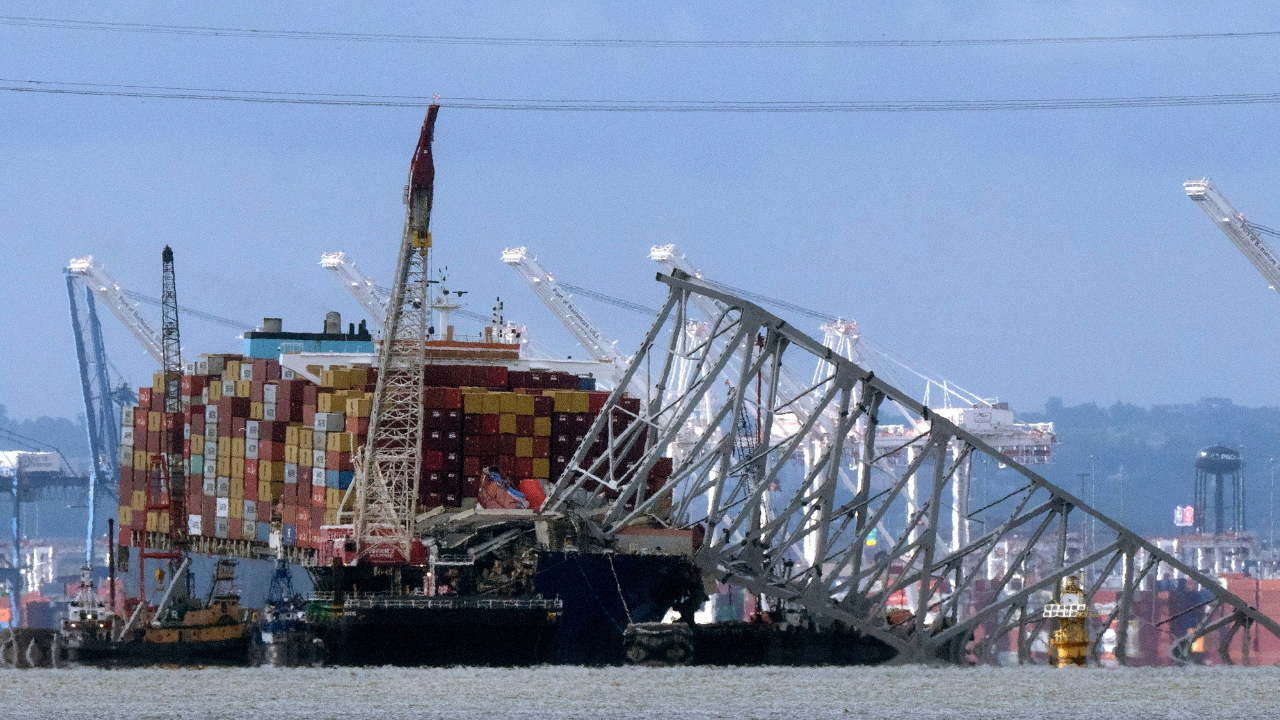
So, next time you see somethin' on the news 'bout a ship gettin' stuck in a canal or somethin', remember this: it ain't just some random accident. There's power plays goin' on, money changin' hands, and somebody's gettin' rich off of it. And most of the time, it ain't us.
It's important to understand this stuff, y'all. 'Cause what happens in these waterways affects all of us, whether we know it or not. From the price of gas to the food on our tables, it's all tied together. So, stay woke, stay informed, and don't let nobody play you for a fool.
We gotta start demandin' more transparency and accountability from these corporations and governments. We gotta make sure that these waterways are used for the benefit of all, not just the privileged few. 'Cause at the end of the day, we all breathin' the same air and drinkin' the same water.
Sources: * United Nations Convention on the Law of the Sea (UNCLOS) * International Court of Justice (ICJ) * International Maritime Organization (IMO)